

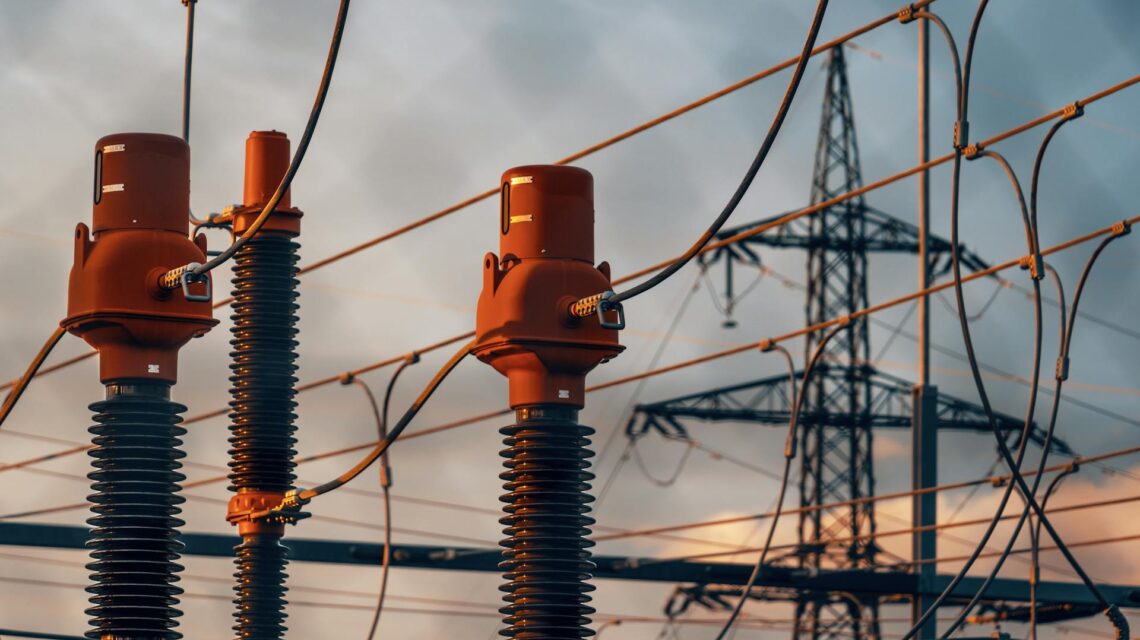
One year after the blackout of 28 April 2025, the European analysis points to a combination of technical factors linked to voltage control, reactive power and cascading disconnections
The first anniversary of the power blackout in the Iberian Peninsula arrives with a clear technical conclusion: the incident of 28 April 2025 cannot be attributed to renewable energies as the sole or main cause. The ENTSO-E report describes an exceptional episode, the most serious in the European power system in more than two decades, resulting from multiple and interconnected causes.
A voltage rise that the system could not contain
According to the final report of the group of European experts, the collapse was triggered by a rapid and uncontrolled rise in voltage in the Iberian system. The phenomenon was combined with a loss of voltage control, insufficient capacity to absorb reactive power and a succession of generation disconnections.
Before the collapse, the system had recorded two relevant oscillations: one of a local nature, associated with converter equipment, and another of an inter-area nature within the continental European system. The operational measures applied to damp these oscillations were effective in reducing them, but they also contributed to raising the voltage in the Iberian system.
Why it is not correct to blame renewables
The report does not hold renewable energies responsible for the blackout. It does point out, however, that many renewable plants were operating with a fixed power factor, which limited their ability to respond dynamically to voltage changes. It also identifies other elements: manually operated compensation reactors, reduced margins between voltage limits and disconnection thresholds, protection settings not always aligned with system needs, and limitations in the voltage control of conventional generators.
When several generation units disconnected, the system lost reactive power absorption capacity. This further intensified the overvoltage and accelerated a chain of disconnections that, within seconds, led to the loss of synchronism of the Iberian power grid with the rest of Europe.
Therefore, the key question is not whether there were too many renewables, but whether the system was sufficiently prepared to integrate them with the necessary control, regulation and coordination tools.
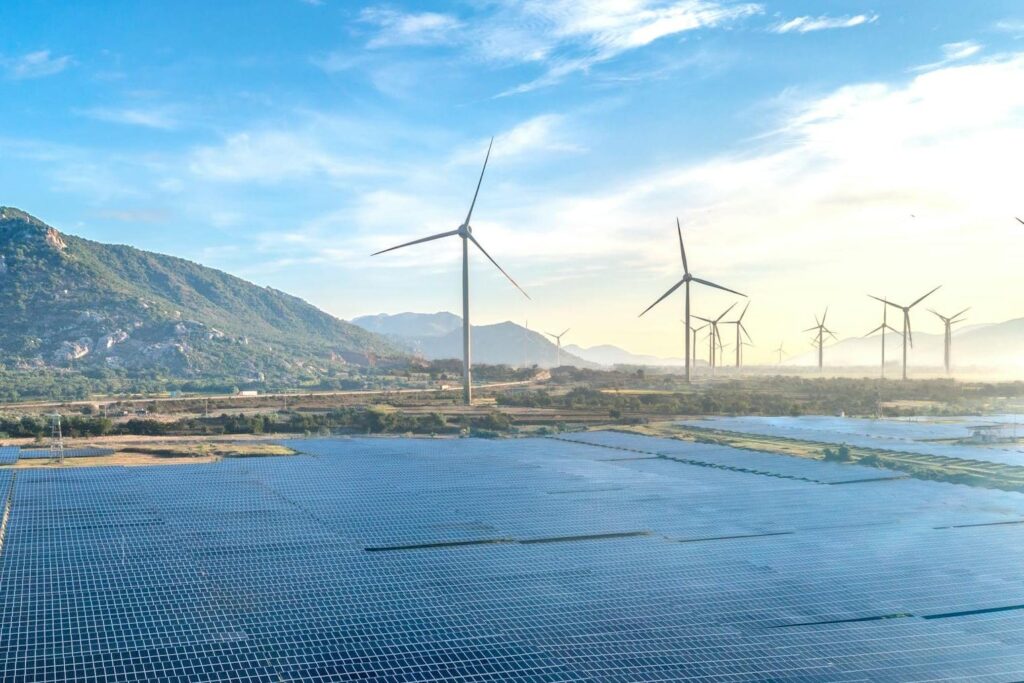
More engineering for a more resilient energy transition
For the sector, the lesson is profound. The energy transition requires a more flexible, observable and digitalised power grid; greater coordination among operators, distribution companies, generators and system agents; and better integration of dynamic voltage control.
It also reinforces the need to incorporate solutions such as energy storage, new compensation systems, more advanced inverters and operational procedures adapted to increasingly distributed and renewable generation.
From Wattega’s perspective, the debate should not focus on slowing down renewables, but on accelerating the technical modernisation of the system. Sustainability needs infrastructure, planning and rigorous energy engineering. Only in this way will the integration of renewables be able to move forward with greater safety, greater stability and greater resilience of the power system.
